Stop Monsoon Roof Myths Before They Soak Your Home
Monsoon season in Queen Creek and the East Valley hits fast and hard. From June through September, we get sudden downpours, strong wind, dust, and even hail. Your roof takes the full hit every time the sky opens up.
When a ceiling stain shows up or a drip starts during a big storm, many homeowners turn to myths or quick fixes. That is when small problems quietly grow into sagging ceilings, damaged framing, and hidden mold. In this article, we will clear up some of the most common monsoon roof leak myths, explain what is really going on above your head, and help you know when it is time to get professional roof leak repair in Queen Creek.
Myth: "If It Only Leaks During Big Storms, It's No Big Deal"
A leak that only shows up during the worst storms is still a leak. Monsoon rain just exposes a weak spot that is already there. Even if you only notice water during sideways rain or heavy downpours, something in your roofing system is not doing its job.
Under the surface, small leaks can lead to real trouble, such as:
- Soaked attic insulation that loses its effectiveness
- Warped or rotting roof decking that weakens over time
- Slow mold growth in dark attic corners and wall cavities
- Nails and fasteners rusting and loosening as they stay damp
Arizona heat adds to the damage. Every dry, hot afternoon, your roof bakes. Every wet monsoon evening, it cools. Those wet and dry cycles cause small openings to spread and cracks to grow. What starts as a tiny stain can turn into:
- Peeling paint and damaged drywall
- Sagging or cracked ceilings
- Structural wood that needs serious repair
The longer a leak is left alone, the bigger and more expensive the repair tends to be. Early, targeted roof leak repair in Queen Creek usually means fixing a limited area, instead of facing large sections of ruined decking, framing, and interior finishes later.
Myth: "Caulk or Roof Cement Will Fix Any Leak"
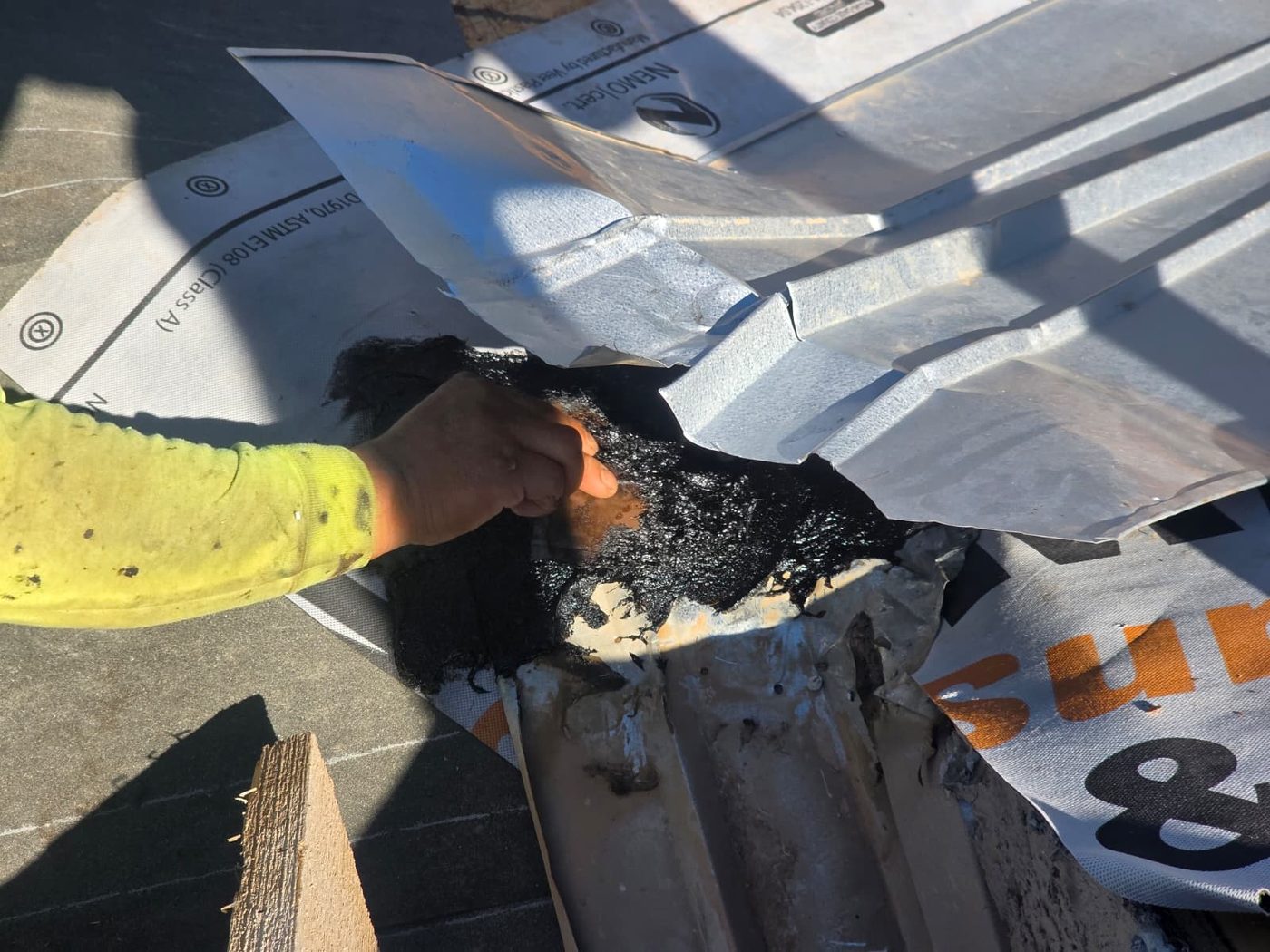
It is tempting to grab a tube of caulk or a can of roof cement from the store and smear it over the spot where you think water is getting in. The problem is that product is often just a short-term band-aid, especially on a hot Arizona roof.
Our desert sun gets intense. Generic caulks and many store-bought cements can:
- Soften and sag in high heat
- Crack as they expand and shrink day after day
- Lose grip on dusty or dirty surfaces
Once the first strong storm hits, that patch can fail, and water finds its way back inside. Real leak repair is not about piling on more goop. It is about finding the real source of the problem and fixing it correctly.
Common leak sources include:
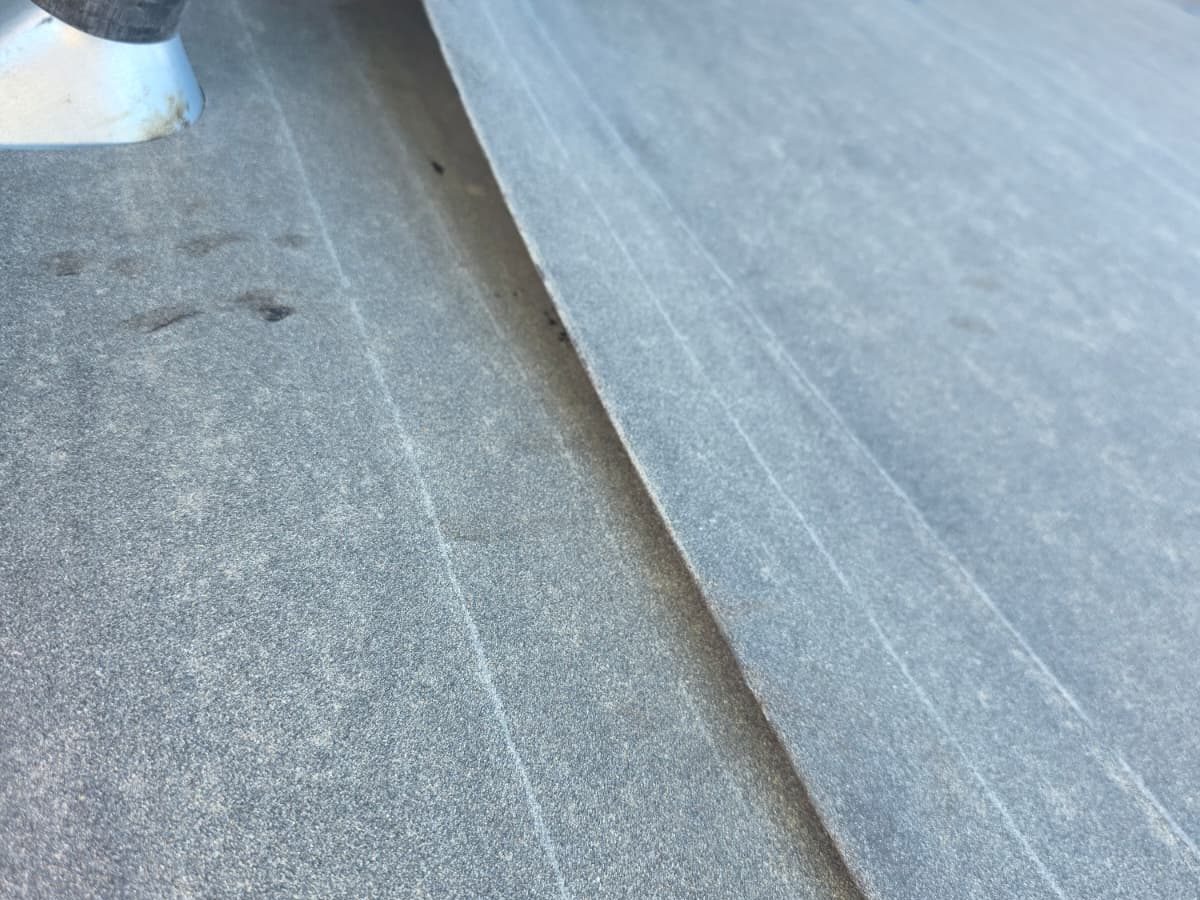
- Underlayment that has aged or slipped out of place
- Cracked or missing tiles that expose the layer below
- Lifted or damaged shingles that catch wind and water
- Flashing around chimneys, walls, or skylights that was never sealed right
- Gaps around pipes, vents, or other roof penetrations
Another issue with heavy DIY patching is that too much sealant can actually trap water. When water has no way to drain, it sits, seeps, and slowly damages the roof structure. Thick layers of random products can also create confusion later, hiding the true problem and making a proper repair take longer.
Myth: "Tile Roofs Don't Really Leak in the Desert"
Tile roofs are common across Queen Creek and the East Valley, and for good reason. Tile looks good and helps shade the roof below. But the tile itself is not the waterproof barrier. The real protection comes from the underlayment, flashings, and detailed work at every joint and opening.
On a tile roof, the tiles are like armor plates that shed most of the water and protect what is underneath. If the layer below is damaged, water can still find a path inside. Some frequent tile roof issues we see in our area are:
- Slipped or broken tiles after strong monsoon wind or flying debris
- Underlayment that has dried out and cracked from years of heat
- Valleys that were not sealed or layered correctly
- Flashing around chimneys, walls, or roof transitions that lets in wind-driven rain
During monsoon storms, rain often blows sideways. That kind of wind-driven rain finds weak spots that might not leak during light, straight-down showers. Many homeowners do not notice a problem until a big storm finally pushes water into the attic or ceiling.
Regular inspections, especially as roofs age, help catch early signs of failure. Timely roof leak repair in Queen Creek can:
- Replace small sections of bad underlayment before it spreads
- Reset or replace a manageable number of tiles
- Correct flashing problems before they show up as interior leaks
Waiting until you see major damage inside usually means larger sections of the roof need attention, and the work may be more involved than a simple repair.
Myth: "I Can Wait Until After Monsoon Season to Call"
When life is busy, it is easy to think, "I will deal with the roof after the storms pass." The trouble is, every extra storm that rolls through is another stress test on the same weak spots.
Each heavy rain can push more water into:
- Attic insulation
- Ceiling drywall
- Wall cavities and framing
During humid monsoon weeks, that trapped moisture does not dry quickly. Ceilings that were just a little stained can start to bubble or sag. Paint can peel. Musty smells can show up as hidden areas stay damp.
There is also a timing issue. Once the first big storm hits and homeowners across the East Valley start seeing leaks, roofing schedules fill up fast. Waiting until "after the season" can leave you living with:
- Buckets on the floor and towels on the window sills
- Temporary tarps that flap around in the wind
- Stress every time a new storm shows up in the forecast
A better plan is to be proactive in late spring and early monsoon. That can include:
- Getting a professional roof inspection before the heaviest storms hit
- Taking care of small repairs while they are still simple
- Considering appropriate roof coatings on certain systems when recommended by a professional
Catching issues early gives your roof a better chance to stand up to what the monsoon sends your way.
Turn Monsoon Myths Into a Smart Repair Plan
The goal is not to turn every homeowner into a roofing expert. The goal is to help you move away from myths and guesswork and toward a simple, smart plan for your home.
A basic approach can look like this:
- Watch for new or growing ceiling stains
- Look in the attic, if it is safe, for damp wood or insulation after storms
- Walk around your home and check your roof from the ground for missing or shifted materials
- Call a professional at the first sign of trouble, instead of waiting for the "big leak"
At Quest Roofing, we work on homes right here in Queen Creek and across the East Valley, so we see how the desert sun and monsoon storms treat local roofs year after year. We understand how different materials respond to the heat, how underlayment ages, and how monsoon patterns tend to push water into certain weak spots. That local experience helps us track down leaks accurately, recommend what truly needs to be done, and provide repairs that are built to handle both the dry season and the stormy one.
Monsoon season will always be part of life here. Roof myths do not need to be. With clear information and timely action, you can keep those sudden summer storms outside where they belong and protect your home, your budget, and your peace of mind.
Get Started With Your Project Today
If you are seeing stains on your ceiling or notice missing shingles, now is the time to act before the damage spreads. At Quest Roofing, we provide reliable roof leak repair in Queen Creek tailored to your home and budget. Our team will inspect the problem, explain your options clearly, and complete the work with careful attention to detail. Have questions or need a quick appointment? Just contact us and we will help you protect your home.