
Broken or missing tiles
Open areas that can expose the roof system below.
Tile Roofing
Tile roofing in Queen Creek needs more than a surface check. The tile may last for decades, but underlayment, battens, valleys, flashing, and penetrations usually decide whether the scope is repair or replacement.
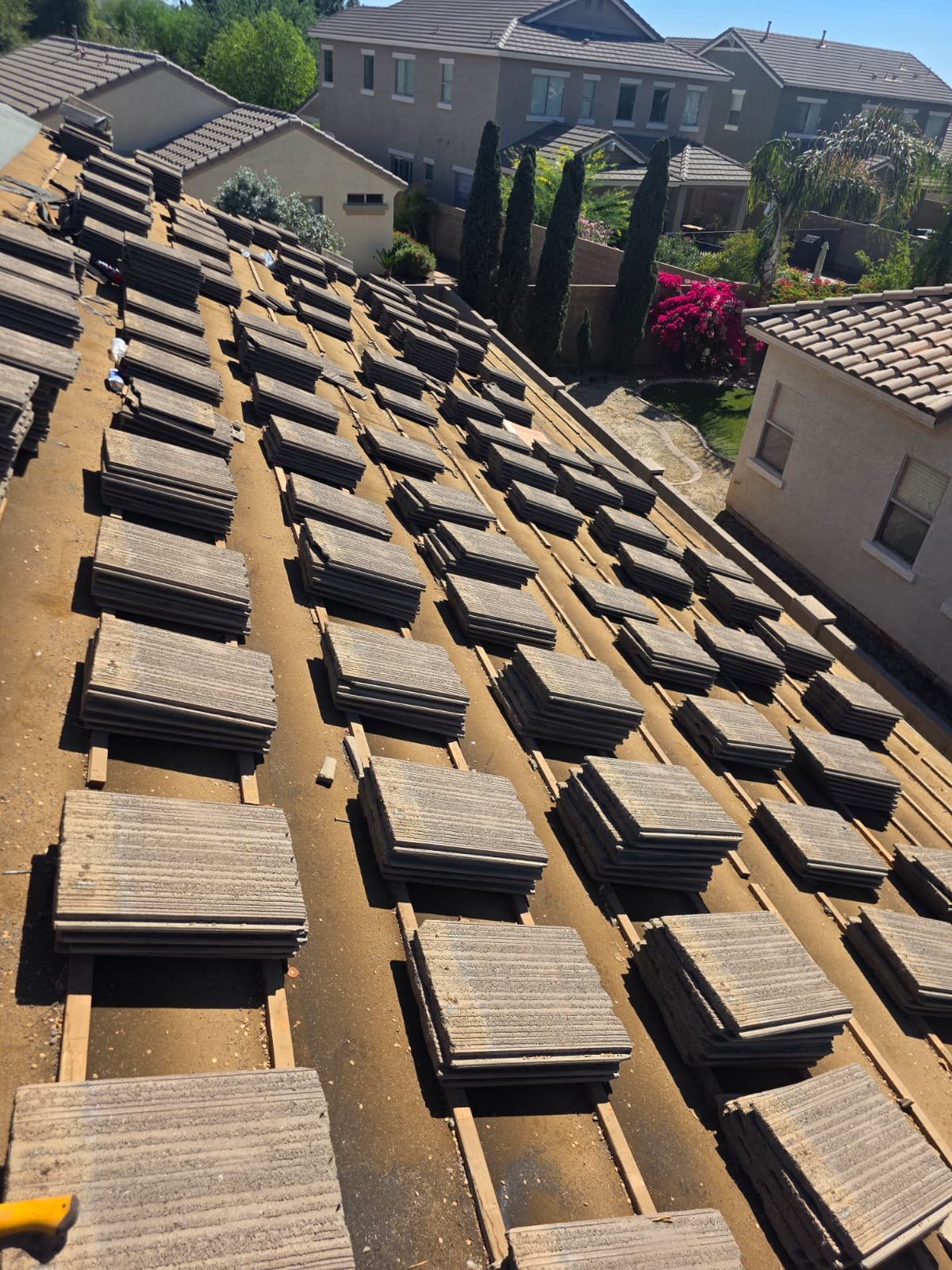
Tile roof problems often show up as small surface clues before the underlayment issue is obvious.
Open areas that can expose the roof system below.
Aging material beneath tile that may drive the real scope.
Water entry around high-flow areas or roof openings.
Tile movement that changes water path and roof appearance.
Post-monsoon shifts, impact marks, or loose material.
Visible tile damage that needs a clean repair plan.
The scope should connect to real roof conditions, not vague sales language.
Tile condition, staged areas, and vulnerable rows
Underlayment clues and battens when visible
Valleys, penetrations, flashing, and transitions
Repair or replacement path with a written scope
Tile can last a long time, but the underlayment and roof details often decide the project. Quest separates cosmetic tile damage, repairable leak paths, and system-level replacement concerns.
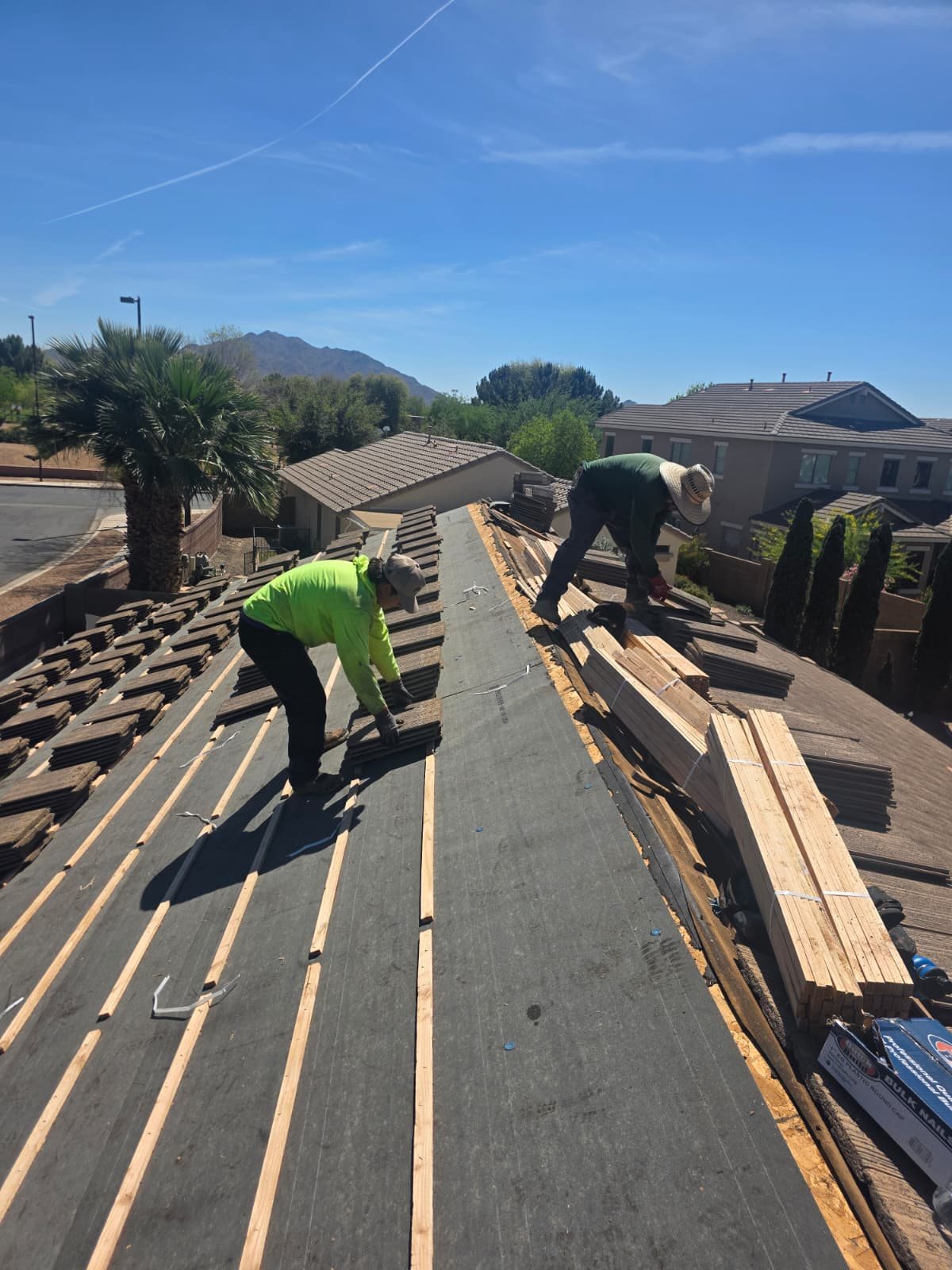
Yes. Quest handles tile roof repairs and larger tile roofing work when the inspection supports it.
No. Quest explains targeted repairs when they fit and larger scope when the roof system calls for it.
Underlayment is the water-shedding layer beneath the tile, so aging or failed underlayment can cause leaks even when many tiles still look usable.
Yes. Valleys, flashing, penetrations, and transitions are documented because they are common leak points on tile roofs.