
Cracked coating
Open areas that may expose the roof system to water and sun.
Foam Roofing
Foam and flat roofing in Queen Creek needs attention to coating wear, cracks, ponding water, punctures, drainage, penetrations, and waterproofing continuity. Quest documents whether repair, recoat, or replacement is the practical next step.
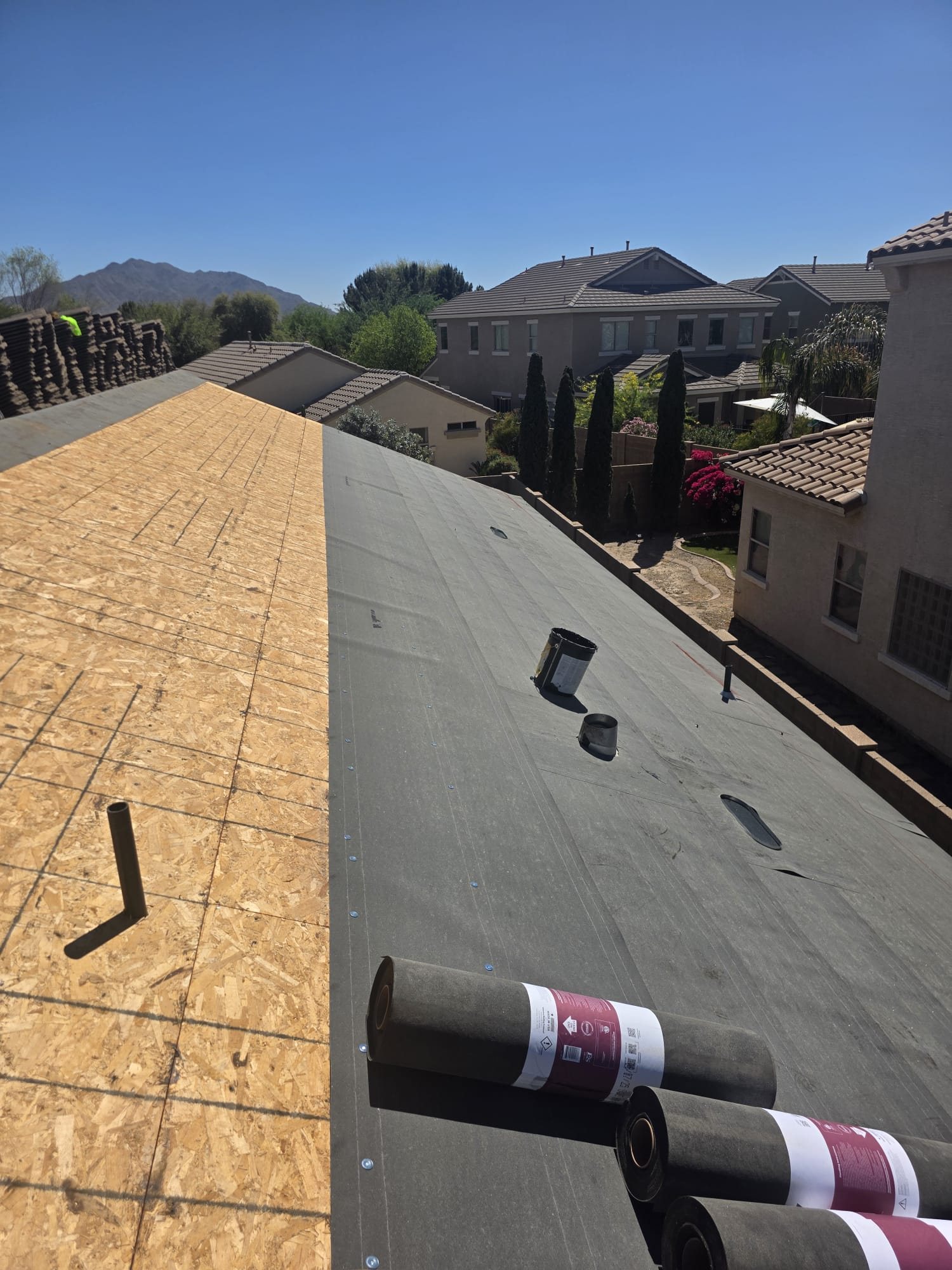
Low-slope roofs often need help before a small coating issue becomes an interior leak.
Open areas that may expose the roof system to water and sun.
Low spots or drainage concerns that need review.
A worn or chalky surface that may need renewed protection.
Interior water entry tied to a low-slope roof area.
A surface that may need coating work before larger damage develops.
Areas where waterproofing continuity needs to be verified.
The scope should connect to real roof conditions, not vague sales language.
Coating condition, cracks, punctures, and worn areas
Drainage and ponding observations
Repair versus recoat context
Written foam or flat roof scope when work is needed
A recoat may be appropriate when the existing foam or flat roof system is sound. Quest documents the surface first so the recommendation is based on coating condition, drainage, waterproofing, and visible damage.
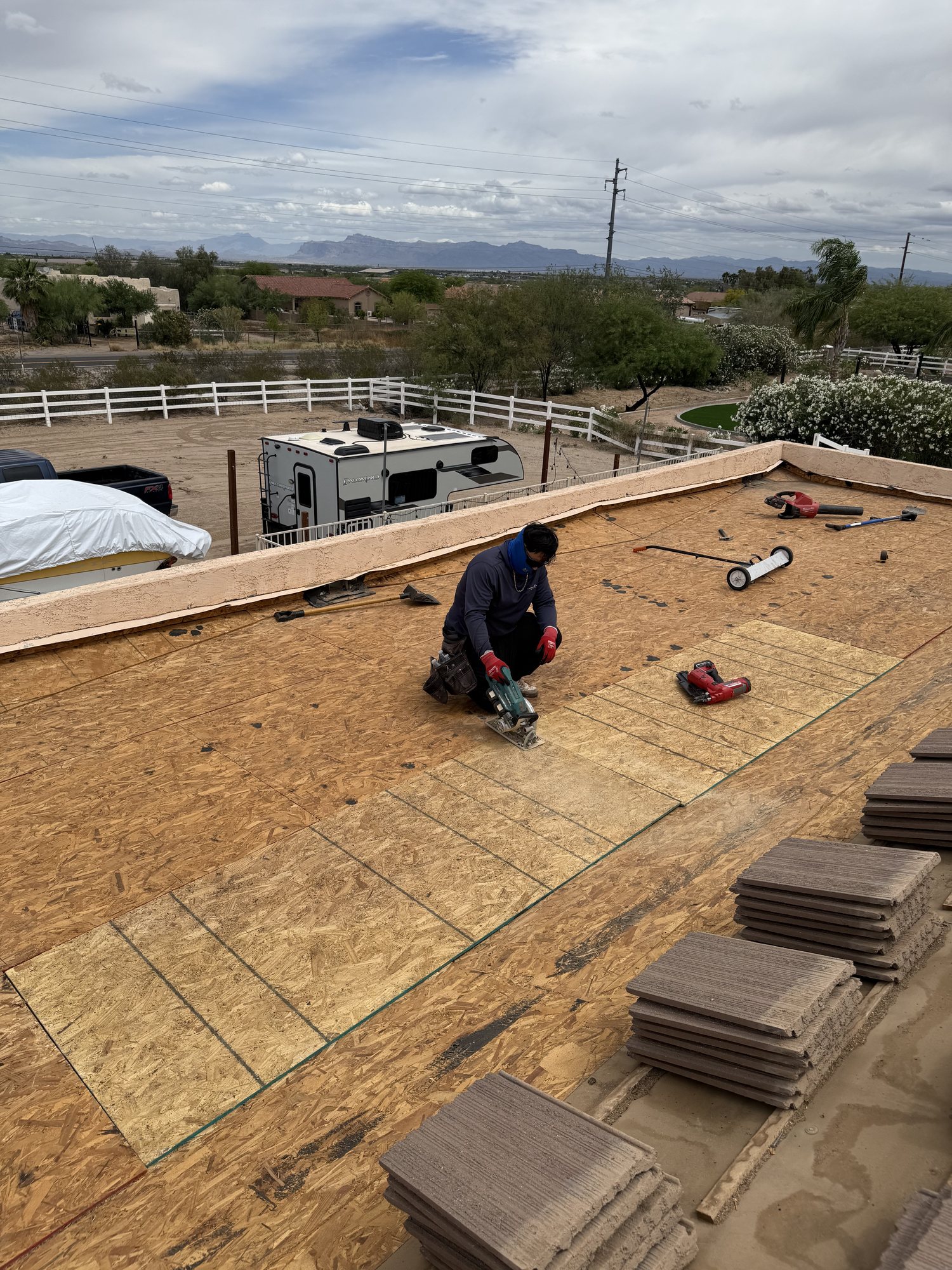
No. Some foam and flat roof surfaces are candidates for repair or recoat when the system is still sound.
Quest looks at drainage, coating wear, cracks, punctures, penetrations, and visible waterproofing concerns.
Ponding can come from low spots, drainage issues, roof settling, or blocked flow paths, and it should be documented before choosing a repair.
Often, yes, when the existing system is stable and the surface can accept a proper coating scope.