
Tile zones
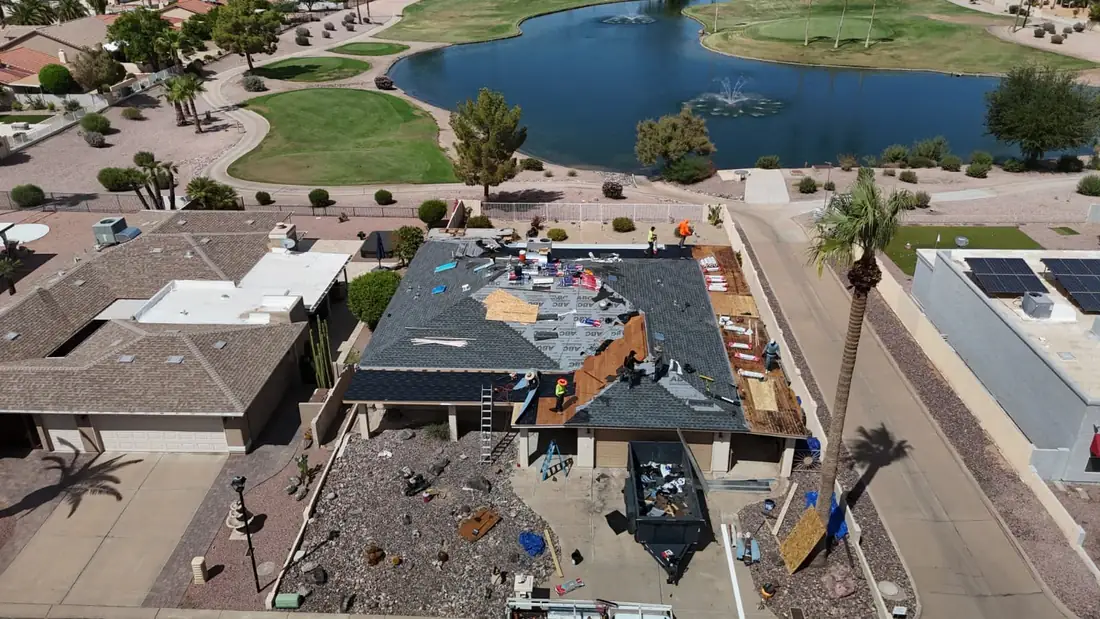
Surface tile, underlayment, valleys, battens, penetrations, walls, and staged material need a steep-slope inspection vocabulary and defined finish plan.
Paradise Valley roof service
Quest Roofing serves Paradise Valley from its Queen Creek base and organizes mixed roof systems into one understandable record. Tile, flat, foam, metal, walls, penetrations, drainage, and transition areas can require different inspection methods, yet the approved work still needs one coordinated written scope.
Relevant services
The service map should follow the actual roof areas. Each system receives material-specific observations, while transition and sequencing questions are coordinated across the full scope.
Inspection focus
A mixed-system scope is clearer when every plane has a name, every transition has a photograph, and every recommendation identifies the layer or detail it addresses.
Surface tile, underlayment, valleys, battens, penetrations, walls, and staged material need a steep-slope inspection vocabulary and defined finish plan.
Coating, drainage, ponding clues, curbs, scuppers, punctures, parapets, and prior patches need a surface and water-movement review.
Panel condition, seams, fasteners, trim, corrosion clues, expansion, penetrations, and termination details can affect both repair method and sequencing.
Slope changes, walls, valleys, equipment, drains, and intersecting materials must be coordinated so one completed area does not interrupt another.
Material and detail context
A roof-area map helps the homeowner and contractor use the same language. Instead of referring to “the back roof,” the inspection can label tile plane A, low-slope plane B, metal canopy C, and transition D. Photos, leak history, proposed work, exclusions, and closeout records then stay connected to a specific location.
The most important scope may sit between systems. Water movement, flashing, counterflashing, compatible materials, attachment, access, and sequencing all change at a transition. One trade detail can affect the neighboring plane, so the written proposal should name responsibility for removal, preparation, tie-in, protection, and final review.
The Town of Paradise Valley building page is the source for current property- and scope-specific questions. Quest keeps its role focused on inspecting the roof, defining mixed-system work, coordinating transition details, and giving the homeowner a written framework that can be reviewed with the appropriate local requirements.
Read the Paradise Valley chimney roof leak guide, compare the Read the Paradise Valley mixed roof system planning guide, or use the new post-monsoon tile underlayment warning-sign guide for a focused tile-roof concern.

Scope options
A coordinated proposal can preserve separate material decisions while making access, protection, sequence, and closeout understandable as one project.
List each roof plane, material, observed condition, proposed action, and stopping point so no section is hidden inside a general allowance.
Show which flashing, wall, drain, penetration, transition, or access task must happen before another roof area can be completed.
Identify staging, access, exterior protection, reusable material, temporary weather control, debris handling, and occupied-area considerations.
Record completed areas, tie-ins, visible finishes, cleanup, photographs, and any monitored or excluded condition left outside the approved scope.
Three documented steps
Create a simple list of roof areas, materials, leak symptoms, equipment, previous work, and access concerns before the inspection begins.
Quest labels photos and observations by roof plane, then identifies transition dependencies, separate repair decisions, and shared protection needs.
Review the area schedule, sequencing, exclusions, city-verification questions, and closeout record before approving the coordinated scope.
Read current Quest Roofing feedback, browse company project documentation, or compare the nearby Scottsdale roofing service. These resources show Quest Roofing's company-wide process and provide useful nearby service context.
Straight answers
Yes. Quest serves Paradise Valley from its Queen Creek base with inspections and written roofing scopes.
Quest can document the roof sections relevant to the concern and explain how transitions between systems affect the scope.
A change in slope or material can change flashing, drainage, attachment, and waterproofing needs.
The proposal should separate each roof area, observed condition, proposed work, material, exclusions, protection plan, and sequencing.
The Paradise Valley Community Development building page is the current authority for property- and scope-specific questions.